Navigating Reward Structures Linked to Table Game Innovations in Britain's Fresh Digital Casino Scene
Willa Meier · Sep 29, 2026

Navigating Reward Structures Linked to Table Game Innovations in Britain's Fresh Digital Casino Scene
Britain's digital casino platforms have integrated table game innovations with reward structures that adjust based on player activity levels, game variety, and participation duration, creating systems where points accumulate through live dealer sessions or virtual variants of blackjack and roulette while cashback tiers scale according to wager volume on these titles.
Table Game Developments and Associated Rewards
Newer platforms incorporate features such as multi-camera live streams and interactive betting options that link directly to loyalty programs, so participants receive bonus credits after completing sets of hands in digital poker rooms or achieving specific win streaks in automated roulette sequences, and data from industry reports indicate these mechanics encourage extended engagement periods across multiple sessions.
Operators track metrics like average bet size and game completion rates to calibrate reward multipliers, which means players navigating progressive jackpots attached to table games often unlock tiered benefits including free play tokens or deposit matches tied exclusively to those innovations rather than slots or other categories.
Structural Adjustments in Loyalty Frameworks
Reward programs now segment table game activity into separate tracking categories, allowing users to earn accelerated points when participating in hybrid formats that blend traditional rules with digital enhancements like side bets or community features, while researchers at various academic institutions have documented how these divisions affect overall retention rates in regional markets.
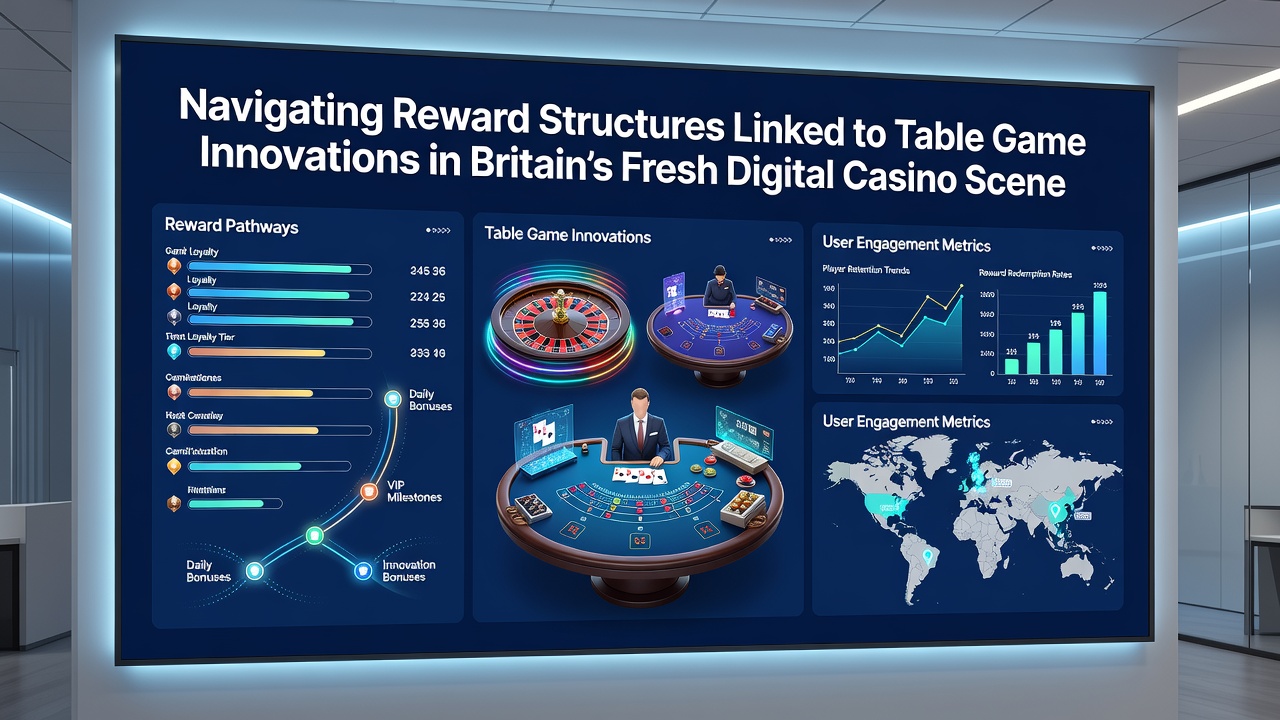
According to findings published by the European Gaming and Betting Association, integration of real-time analytics into reward calculations has led platforms to offer personalized incentives that respond to individual patterns in table game selections, such as increased cashback percentages for consistent roulette play or milestone bonuses after a set number of poker tournaments completed within a calendar month.
Regional Patterns and Data Insights
Observers note that Britain's expanding digital scene features platforms where reward structures emphasize table game innovations through weekly challenges that distribute credits based on participation in new virtual variants, and figures from international regulatory comparisons show similar approaches in other jurisdictions where operators balance innovation with compliance requirements.
One study from the University of Sydney's gambling research unit revealed connections between reward accessibility and game type preferences, indicating that structured point systems tied to live table elements correlate with higher session frequencies compared to static bonus models, which in turn influences how new casino entrants design their offerings ahead of scheduled updates in September 2026.
Operational Examples Across Platforms
Take one operator that introduced augmented reality overlays for blackjack tables and paired them with reward ladders where players climb tiers through consistent participation, unlocking exclusive tournament entries or enhanced payout rates as they progress, and this approach aligns with broader industry shifts documented in trade association summaries from North American regulators.
Platforms have also experimented with cross-game reward transfers, permitting points earned on innovative table formats to convert into benefits applicable across other sections, although such features require precise software calibration to maintain balance between different player segments and activity types.
Conclusion
Overall patterns in Britain's digital casino environment demonstrate that reward structures evolve alongside table game innovations through data-driven adjustments and segmented tracking, creating interconnected systems that respond to player behaviors in measurable ways as platforms prepare for further developments scheduled around September 2026, with external analyses from groups like the International Association of Gaming Regulators providing comparative context on these trends.