How Age-Based Player Segments Are Redefining Promotional Redemption Rates Across Britain's Emerging Digital Gaming Platforms
Devon Weber · Oct 27, 2026
How Age-Based Player Segments Are Redefining Promotional Redemption Rates Across Britain's Emerging Digital Gaming Platforms
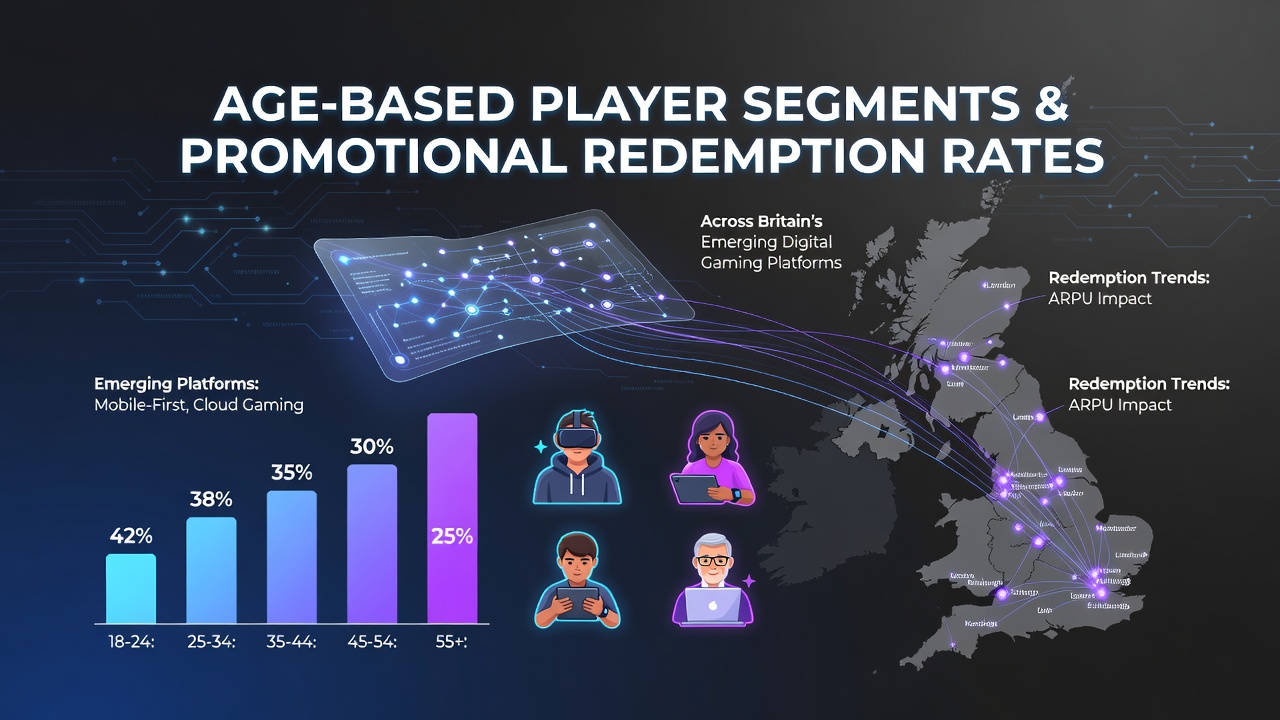
Digital gaming platforms across Britain have seen distinct shifts in how different age groups interact with promotional offers, and data from October 2026 highlights measurable differences in redemption rates tied directly to player demographics. Younger users aged 18 to 24 demonstrate higher engagement with instant-win mechanics and mobile-optimized bonuses, while those in the 25 to 34 bracket show stronger responses to loyalty tiers that unlock over multiple sessions.
Demographic Patterns in Redemption Behavior
Research from industry tracking services indicates that platforms targeting emerging digital markets have adjusted their promotional structures to align with these age-specific tendencies. Operators report that players under 25 redeem time-sensitive free spins at rates up to 40 percent higher than older cohorts when offers appear within app notifications, according to aggregated platform analytics shared in sector briefings. In contrast, users aged 35 and above prefer deposit-match promotions that carry longer validity windows, leading to steadier but lower overall redemption volumes per campaign.
Platforms have responded by segmenting their marketing pushes, and this approach has produced measurable lifts in conversion metrics. One operator that introduced age-filtered push notifications in early 2026 recorded a 22 percent increase in completed redemptions among the 18-24 group within the first quarter of implementation.
Platform Adaptations Across Britain
Britain's newer digital gaming sites have integrated age-based analytics into their backend systems, allowing real-time adjustments to offer visibility and terms. Data compiled through October 2026 shows that sites using these tools achieved redemption rates 15 to 18 percent above industry averages for the 25-34 segment when promotions emphasized progressive jackpots and community challenges. Older players, particularly those 45 and above, maintain consistent interaction with email-based offers that require account verification steps, resulting in redemption patterns that favor structured bonus rounds over quick-play formats.

External Data and Comparative Insights
Comparative studies from international markets provide additional context for these domestic trends. Figures released by the European Gaming and Betting Association reveal similar age-driven divergences in redemption activity across multiple European jurisdictions, with younger players consistently favoring instant digital fulfillment methods. A separate analysis conducted by researchers at the University of Sydney's Gambling Research Centre found that Canadian online platforms observed parallel patterns, where 18-24 users completed promotional redemptions at nearly double the rate of the 45-plus group when offers centered on mobile wallet integrations.
These cross-border observations have prompted British operators to refine their segmentation algorithms further. Platforms now test variations in bonus expiry times and notification channels based on user age profiles, and early results from October 2026 campaigns suggest that tailored delivery channels correlate with higher completion percentages across all tracked brackets.
Technical and Regulatory Influences
Technical infrastructure upgrades have supported these changes. Many emerging platforms employ machine learning models that predict redemption likelihood by combining age data with historical play patterns, and this has allowed for more precise allocation of promotional budgets. Observers note that such systems reduce wasted offer distribution while increasing the proportion of users who follow through on claimed bonuses.
Regulatory frameworks in Britain continue to shape how age segmentation can be applied to promotions. Operators must maintain compliance with responsible gaming standards, which means age-based targeting occurs within strict boundaries that prevent aggressive outreach to any single group. Those who've reviewed platform compliance reports indicate that transparent reporting of redemption statistics by demographic has become a common practice among newer entrants.
Conclusion
Age-based segmentation has become a core element in how Britain's digital gaming platforms structure and deliver promotional content. Data gathered through October 2026 demonstrates clear differences in redemption behavior across age brackets, and operators continue to refine their approaches using analytics and cross-market insights. These developments reflect broader shifts in player engagement strategies that prioritize measurable outcomes over uniform campaign structures.